PTAC Units Installation
If you are already using PTACs and yours is an older model that has become very noisy or has performance issues, we can help you find a replacement. We’re For Saving. We do PTAC unit installation across Toronto, Markham, and Mississauga. We also repair and replace them. They provide both heating and cooling from a single unit. There’s no need for a separate heating unit.
If you are already using PTACs and yours is an older model that has become very noisy or has performance issues, we can assist with finding a replacement.
We’re For Saving. We do PTAC unit installation across Toronto, Markham, and Mississauga. We also repair and replace them. These units are a bit different from standard home HVAC, but we know them inside and out.
PTAC Air Conditioner installed from $19.99 / Month.
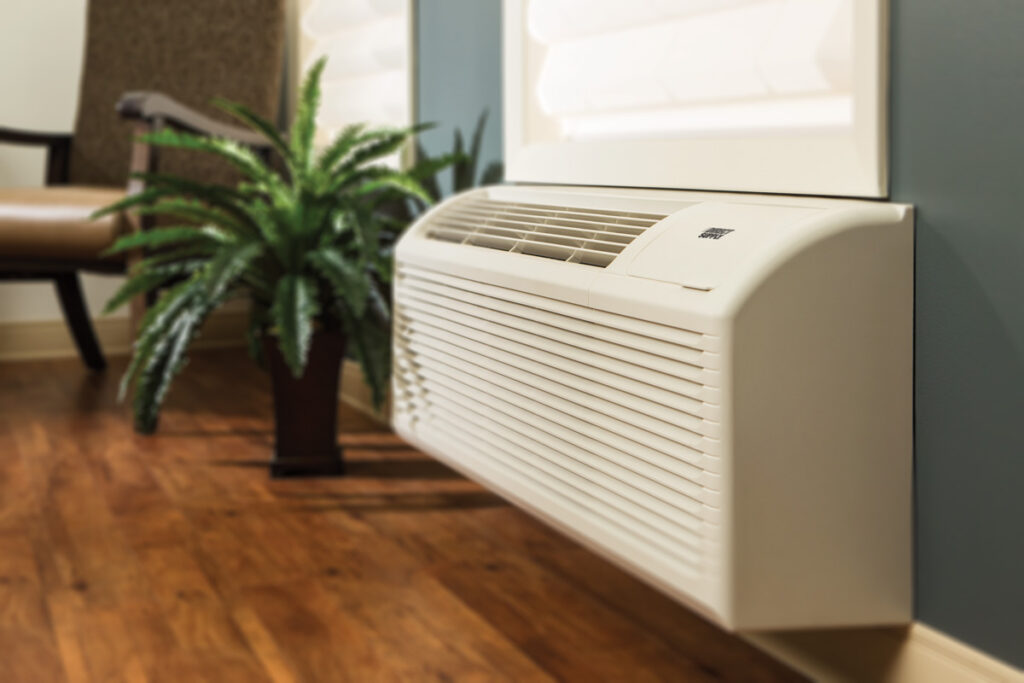
A broken PTAC unit can disrupt comfort and productivity. At Forsaving we offer reliable PTAC repair services across Toronto and the GTA. Specializing in diagnosing and fixing common issues, our expert technicians provide prompt and effective solutions.
01
Modern PTAC units are designed to be energy-efficient. They save you money on your utility bills. This is especially helpful in Toronto & the GTA, where seasonal changes require regular heating and cooling.
02
The unit fits flush with the wall. It doesn’t take up floor space, and there’s no giant indoor air handler. That’s a big deal in a small condo or a retirement home suite where every square foot counts.
03
Site Assessment:
The technician will look at the space and make recommendations for what PTAC option might work best. As an example, they would assess room dimensions, look at insulation, and identify where the best possible location would be for the unit’s installation.
Custom Installation Plan:
We create a tailored plan based on your specific heating and cooling needs. This customized approach ensures the unit meets your space’s unique requirements. That means you get efficient and effective climate control.
Professional Installation:
Post-Installation Testing:
This consists of a complete set of tests to ensure that the unit operates correctly and efficiently, including testing for any potential leaks, ensuring all electrical connections are secure, and verifying that both the heating mode and cooling cycle properly.
Posted on GoogleTrustindex verifies that the original source of the review is Google. Super professional, Alija did a great job explaining and guiding my husband and I through the process. 👍Posted on GoogleTrustindex verifies that the original source of the review is Google. They installed the Rheem a/c and have been doing furnace and a/c maintenance annually. Quality service although we had “Ken” and “Simon” and they were great and thorough. A few others weren’t so thorough. My rating is for the latest visit by Simon and explained what he did very well.Posted on GoogleTrustindex verifies that the original source of the review is Google. We’ve just replaced our furnace and thermostat and we are pleased with the installation process. The technician, Mohamed, arrived on time and finished the job as quickly as possible. He is very knowledgeable of the products he is installing. He took the time to answer our questions about the thermostat features since the “pro” ecobee is not clearly described online and “pro” means just that it is installed by contractors and not that it’s the top of the line. Still it serves its purpose. I just wished this was explained to us when we got the quotation. Mohamed left the place clean and removed all the trash/ old furnace.Posted on GoogleTrustindex verifies that the original source of the review is Google. 23 year old furnace wouldn't start up. Simon was amazing! He arrived on time, thoroughly diagnosed the furnace issue and had everything working perfectly. Super friendly, professional, and clear in his explanations. Really grateful for the fast and reliable service — highly recommend!Posted on GoogleTrustindex verifies that the original source of the review is Google. Nice service, checked every detail carefully.Posted on GoogleTrustindex verifies that the original source of the review is Google. Efficient installation of tankless water heater. Thank you!Posted on GoogleTrustindex verifies that the original source of the review is Google. Simon is excellent service technician, had a lot experience any problem about furnace! If you need anything I recommend him.Posted on GoogleTrustindex verifies that the original source of the review is Google. Simon Chen was great. Very respectful and good personality. Great price To repair the furnace. Would hire again


A PTAC unit is a self-contained, ductless air conditioning system. It heats and cools small areas efficiently. It uses a refrigerant to transfer heat between indoor and outdoor spaces. This allows it to work in both heating and cooling modes.
To select the right PTAC unit, first consider the size of the room you want to heat or cool. PTAC units come in different cooling capacities and sizes. Common standard dimensions are 42×16 inches, 36×15 inches, and 40×15 inches.
You also need to choose between an electric heat model or a heat pump version. Your heating preference will guide this choice. For the best fit, talk to a PTAC expert or use a replacement guide. They will help you match the unit to your installation needs and climate.
Yes, you can control a PTAC unit using the buttons on the unit itself. But for better convenience and efficiency, you can also connect it to a wall thermostat.
This lets you use programmable controllers. It also works with smart home energy systems. For example, it is compatible with smart thermostats like Nest.
These setups help you save more energy. They can even talk to the power grid. That gives you greater energy savings and more control over your settings.
Amana PTAC units are known for their energy-efficient performance. They come with advanced features like digital controls and high energy efficiency ratios.
These units use eco-friendly refrigerants. They also have a two-speed fan motor for better comfort.
In contrast, Applied Comfort PTAC systems are known for their customization options. You can tailor them to match your style and needs. They focus on reducing noise and improving air quality. This is done with advanced filters and variable fan speeds.
Both brands offer reliable operation. They provide comfort and efficiency for many different applications.
When choosing a PTAC unit, first consider its capacity. Make sure it can meet the heating or cooling needs of your room.
Also check the unit’s energy efficiency rating. This affects your long‑term energy costs.
Noise levels are important too. This is especially true for hotels or multi‑unit buildings. Quiet operation is essential there.
Look at the features each brand offers. Programmable thermostats and air quality upgrades can improve comfort and efficiency.
Islandaire is great for retrofitting older systems. McQuay is known for its smart controls and reliability.
PTAC units come in two main types. One type uses electric resistive heat. The other type uses reverse cycle heat pumps.
All PTAC models have a cooling function. They cool using refrigerant or fresh air systems. But the heating function can be different.
Electric resistive heaters use wires to make heat. They work like a blow dryer.
Heat pumps provide heat by reversing the air conditioning process. They pull warm air from outside and bring it inside. This is very efficient.
PTAC units help you save money. They allow zone‑specific heating and cooling. This means you can control the temperature room by room.
You don’t need a large, expensive central HVAC system running all the time. That saves even more money.
In hotels or apartments, each room can set its own climate. As a result, energy use and costs go down significantly.
PTAC units also use less power than traditional electric heaters. Models with heat pumps are especially efficient. This gives you even greater energy savings.
PTAC units offer convenient heating and cooling for a single room. But they can use a lot of electricity, especially if you run them often or they are not efficient.
Choose a model with a high energy efficiency rating (EER). It may cost more upfront, but it will save you money on energy bills over time.
Regular maintenance is also important. Clean or replace the filters. Check the insulation and sealing around the unit. This helps your PTAC run at peak efficiency.
PTAC heat pumps are designed to save energy. They use heat transfer instead of generating heat with electrical resistance.
This method is much more efficient. It lowers your energy costs while still providing good heating and cooling.
Islandaire focuses on retrofitting and compatibility. Their PTAC units work easily with your existing systems. This makes upgrades affordable and efficient.
McQuay offers units with strong energy efficiency ratings. They also have programmable features. These units meet the needs of different spaces while keeping operating costs low.

For Saving Home Service Inc. is a Greater Toronto Area-based HVAC company offering complete installation, service, and maintenance of Heating, Air conditioning installation, and Ventilation systems repair…
55 Village Centre Pl, Mississauga, ON L4Z 1V9, Canada
Services
Quick Access
Copyright © 2007-2026 For Saving Home Service Inc. All Rights Reserved Worldwide.
Designated trademarks and brands are the property of their respective owners. For Saving Home Service Inc